
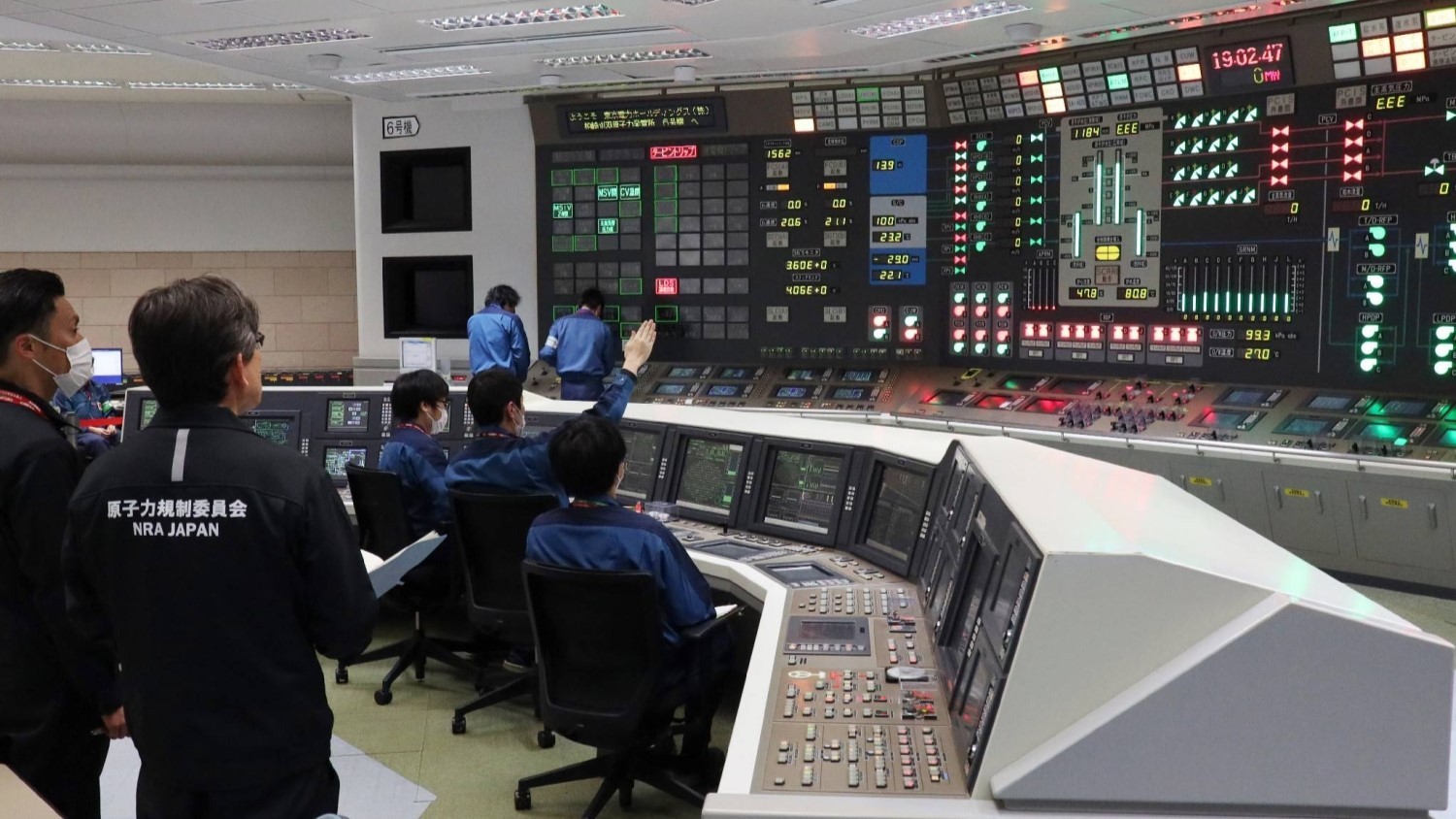
Tokyo Electric Power Company (TEPCO) restarted Unit 6 of the Kashiwazaki-Kariwa Nuclear Power Plant on February 9. This marks the first reactor restart by the operator TEPCO since the Fukushima disaster.
Although the reactor was initially restarted on January 21, the process was halted a day later due to an alarm issue in the control rod monitoring system. After investigating and resolving the problem (identified as a settings error and minor electrical current delay in one cable), the reactor was reactivated at 14:00 local time on February 9.
The reactor's power will be gradually increased, with electricity generation and transmission scheduled to resume on February 16. Commercial operation is targeted for March 18, following additional inspections and approval from Japan's Nuclear Regulation Authority.
The plant is located in Niigata Prefecture and consists of 7 reactors with a total capacity of approximately 8 GW, making it the world's largest nuclear power plant by installed capacity. All reactors in Japan were shut down following the 2011 Fukushima Daiichi accident, and Kashiwazaki-Kariwa has been offline since then.
The Niigata Prefecture approved the partial restart in November. This step is part of Japan's strategy to strengthen energy security, reduce dependence on imported gas and coal (which cost the country $68 billion in 2024, accounting for 10% of total imports), and support the revival of nuclear power.
Prime Minister Sanae Takaichi and other officials have emphasized the importance of nuclear energy in reducing import dependency for electricity production. This event is considered a significant milestone in Japan's return to nuclear power 15 years after the Fukushima disaster.
https://renewables.az/az/news/yaponiyada-d-nyada-n-b-y-k-atom-stansiyas-n-n-f-aliyy-ti-b-rpa-edilib