
The energy landscape of Central Asia and the Caucasus is currently undergoing a fundamental transformation, shifting from a traditional resource hub into a key component of the global green economy. At the forefront of this change is the strategic partnership between Azerbaijan and Uzbekistan, which is laying the groundwork for a unified energy corridor that can connect the Caspian region’s potential with the growing needs of the European market.
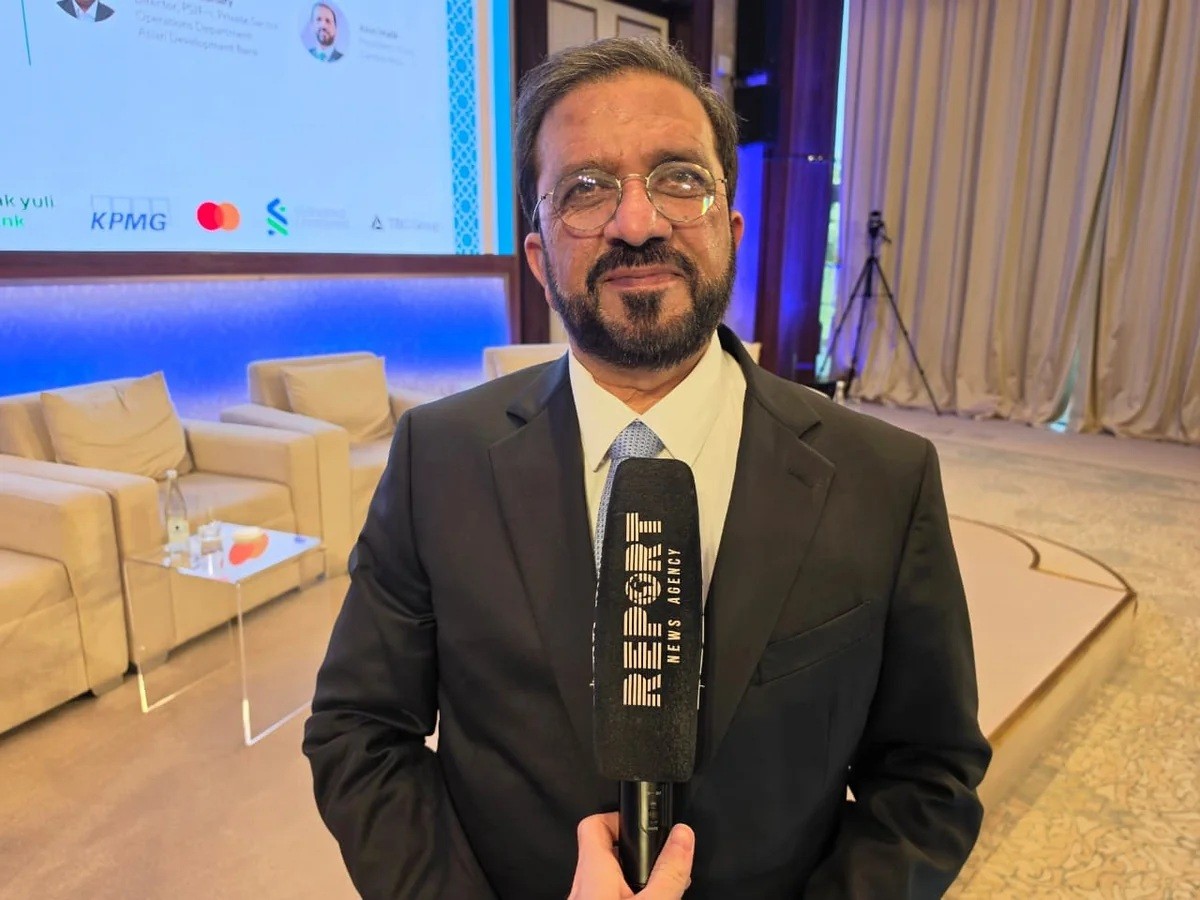
In an exclusive interview with Report, Abid Malik, Acwa’s Regional President for Central Asia, discussed how the integration of wind energy capacity between the two regions, the development of hydrogen technologies, and the creation of local supply chains are shaping a new energy map for Eurasia.
Report presents the interview:
– Mr. Malik, given that your area of responsibility covers both Central Asia and the Caucasus, how do you assess Azerbaijan’s role in building a unified green energy corridor? Is Acwa exploring projects that could physically or commercially link your large wind energy portfolio in Uzbekistan with your operations in Azerbaijan?
– We are implementing projects in both Uzbekistan and Azerbaijan. We are working closely with Azerbaijan’s Energy Minister Parviz Shahbazov and other relevant agencies on exporting electricity from Azerbaijan and Georgia to European markets. This work is already well advanced.
The Azerbaijani government, together with a relevant consortium, is currently preparing feasibility studies. Once those studies are completed, we intend to continue our active cooperation to analyze investment opportunities and help Azerbaijan bring this project to fruition.
– You have often stressed the importance of localization in your regional projects. After the commissioning of the 240 MW Khizi‑Absheron wind project, is there a possibility of setting up regional service hubs or component manufacturing sites in Azerbaijan that could support Acwa’s projects across the Caspian and Central Asia?
– Regardless of the region or country we operate in, our key goal remains to support the professional development of local youth, as well as local manufacturers, service companies, and contractors. When we meet contractors in any of the countries where we work – provided their offers are compelling, cost‑competitive, and meet quality standards – we invariably engage them, including when they are willing to work abroad.
Thus, there are absolutely no barriers for us in involving Azerbaijani, Uzbek, or Turkish contractors in these regions. The key criteria are cost competitiveness, reliability, and a high level of service.
– Following the launch of Acwa’s hydrogen initiatives in Uzbekistan, how soon could we see a similar pilot project in Azerbaijan? Do you think Azerbaijan’s existing pipeline infrastructure gives it a strategic advantage in the regional race to supply hydrogen to the EU?
– We are convinced that hydrogen is the energy carrier of the future. That is why we are building one of the world’s largest green hydrogen production facilities as part of the NEOM project.
Every country, including Azerbaijan, is currently analyzing the prospects for using green hydrogen in its domestic market and for possible export. In this regard, we continue to engage with Azerbaijan and other countries, exploring investment opportunities in hydrogen projects worldwide, including in Azerbaijan.
– Azerbaijan has impressive technical potential for offshore wind energy in the Caspian Sea – over 150 GW. Does Acwa plan to take part in future tenders for offshore zones?
– We and Azerbaijan have already signed a memorandum of understanding aimed at developing offshore wind energy, so the answer is definitely yes. We intend to work with the Azerbaijani government to assess the technical and economic feasibility of such projects.
We are aware that the potential of offshore wind energy could eventually be used to supply electricity to the European market.
https://report.az/en/energy/abid-malik-acwa-exploring-funding-opportunities-for-hydrogen-projects-in-azerbaijan-interview